Activites 2026-2027
International Seminar on "Water Challenges: From Ancient to Contemporary Times and Beyond”
Date : 27th and 28th February, 2026
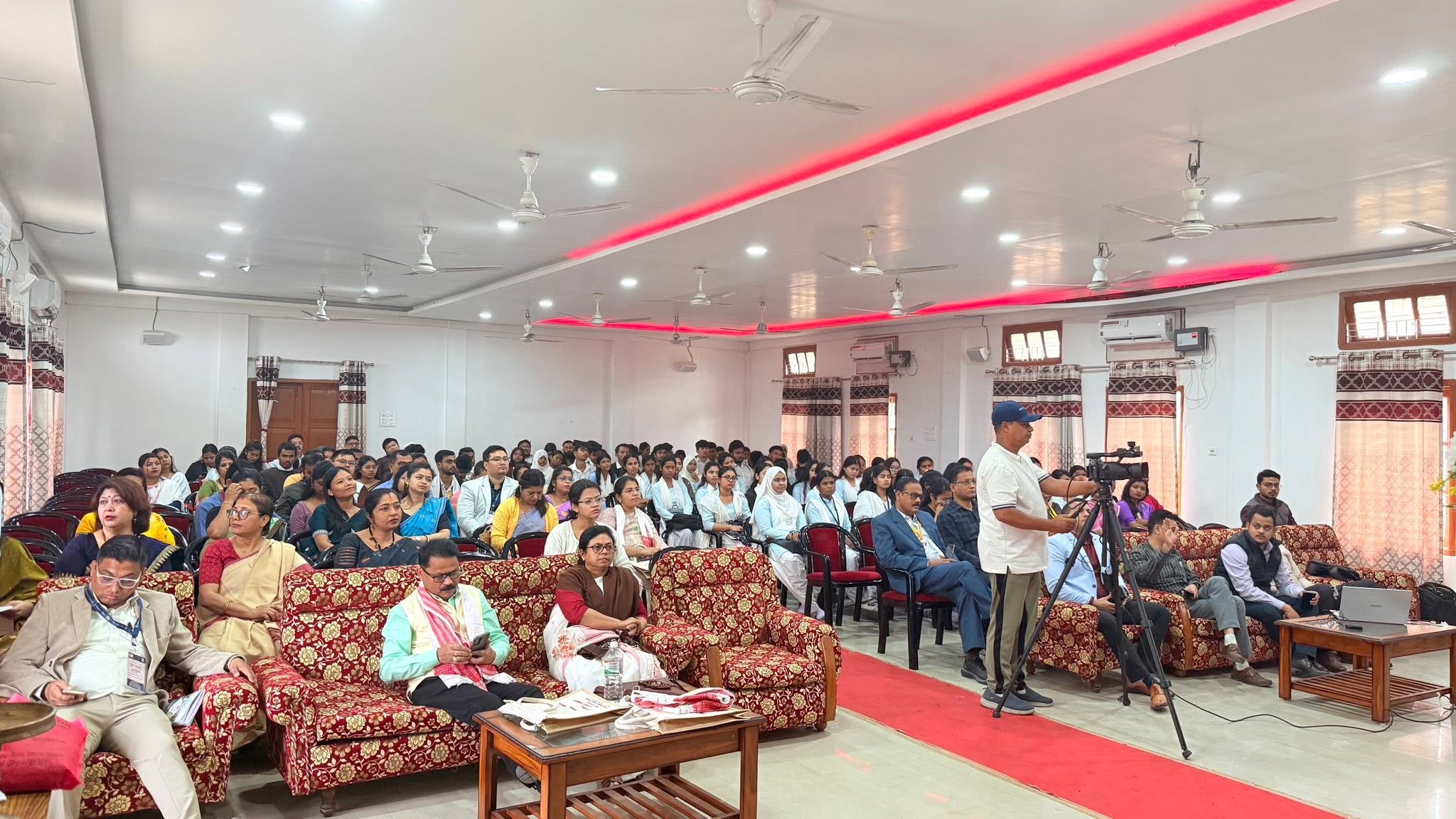
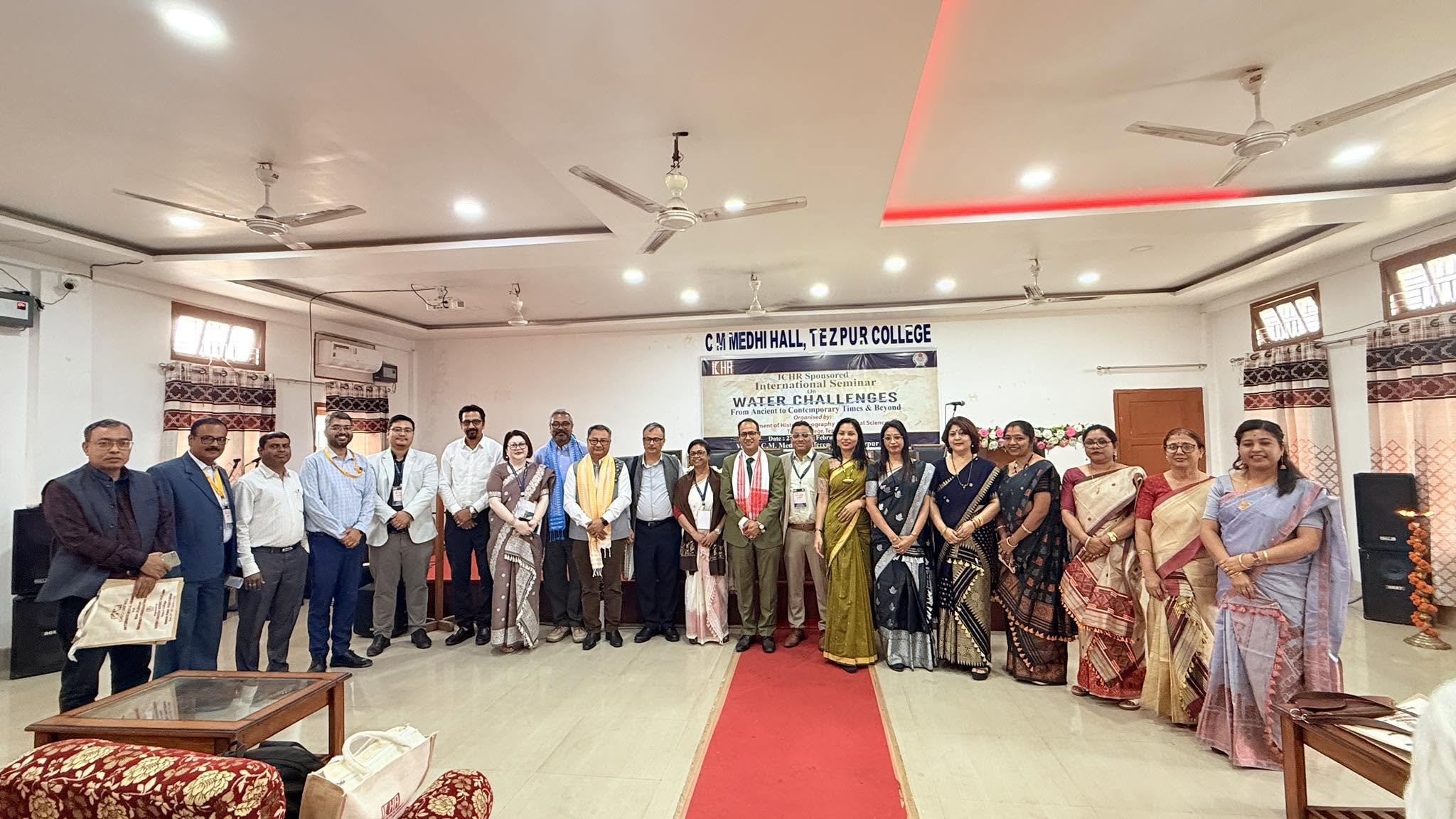
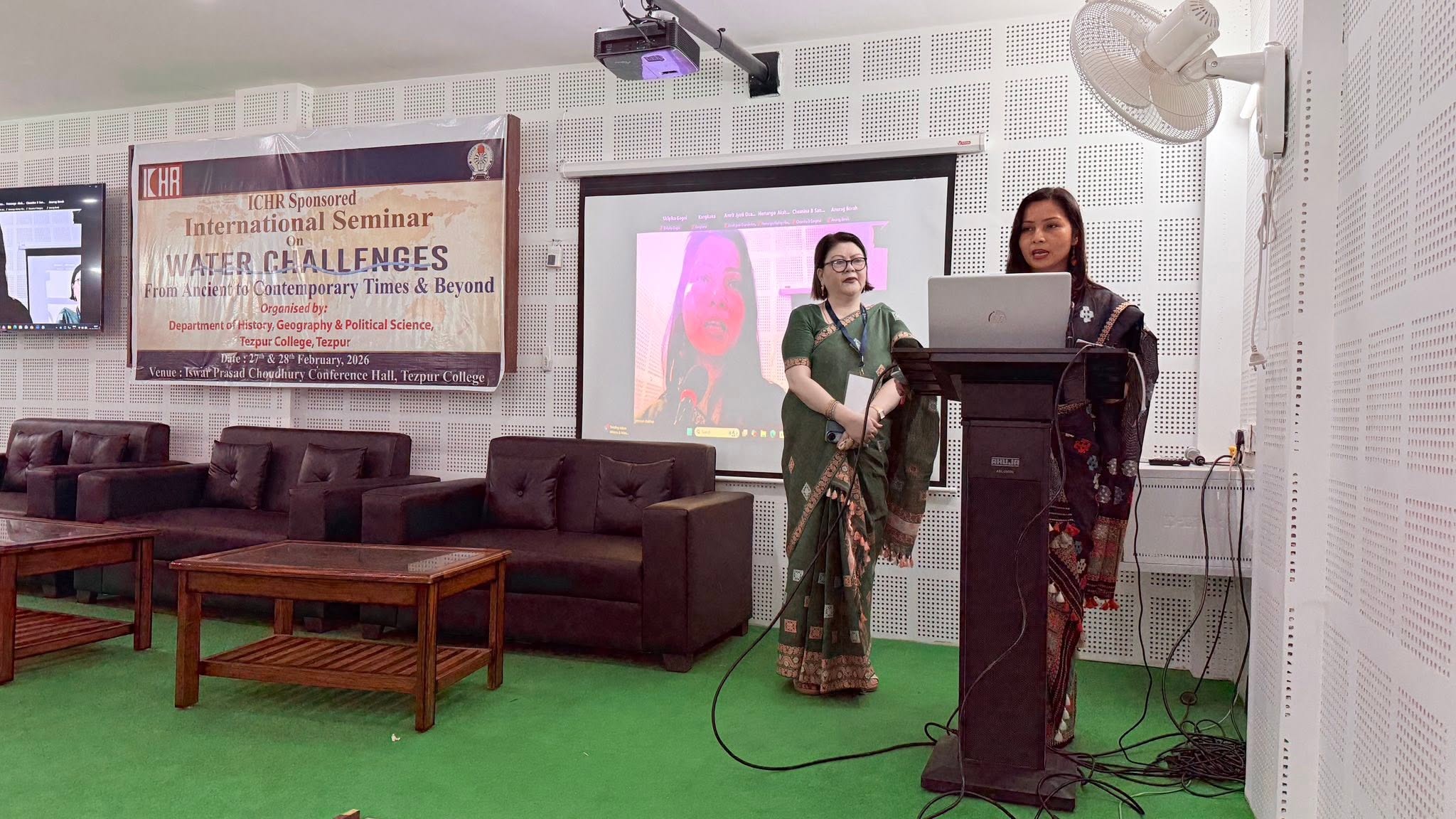
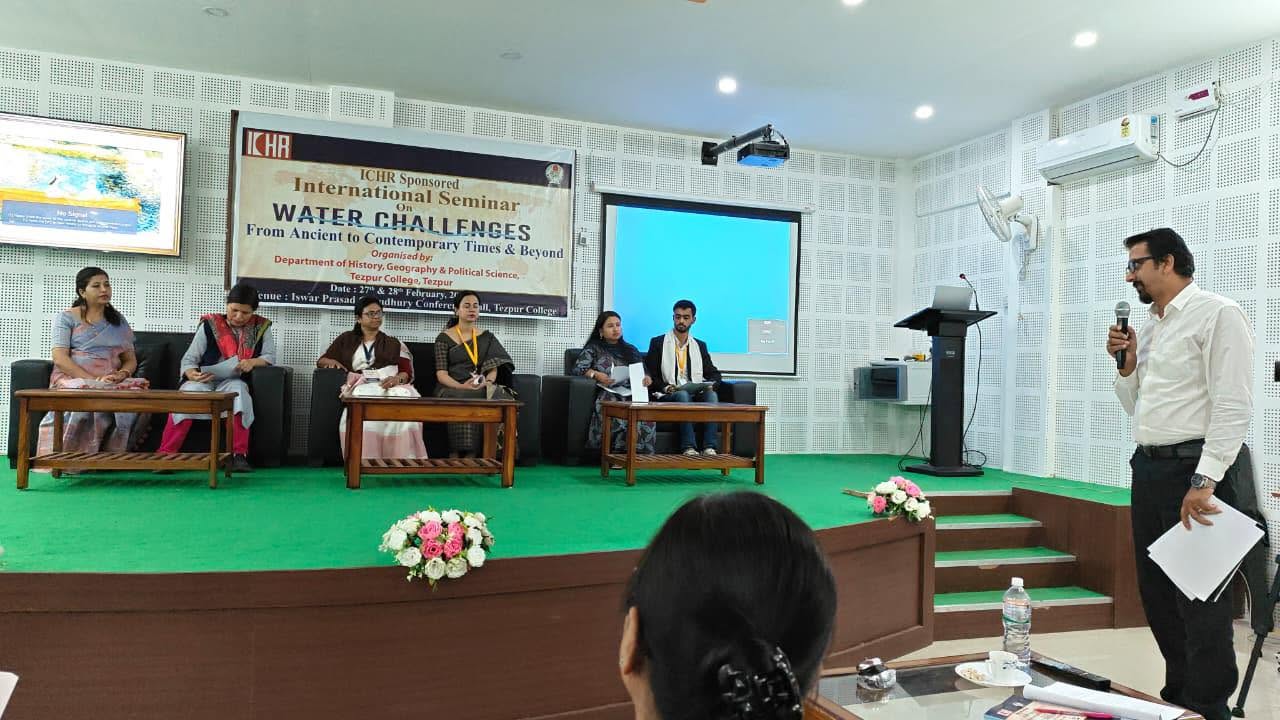
The two-day International Seminar on “Water Challenges: From Ancient to Contemporary Times and Beyond”, sponsored by the Indian Council of Historical Research (ICHR), New Delhi, was successfully organized on 27th and 28th February 2026 at Tezpur College, Assam. The seminar was jointly organized by the Departments of History, Geography, and Political Science, Tezpur College.
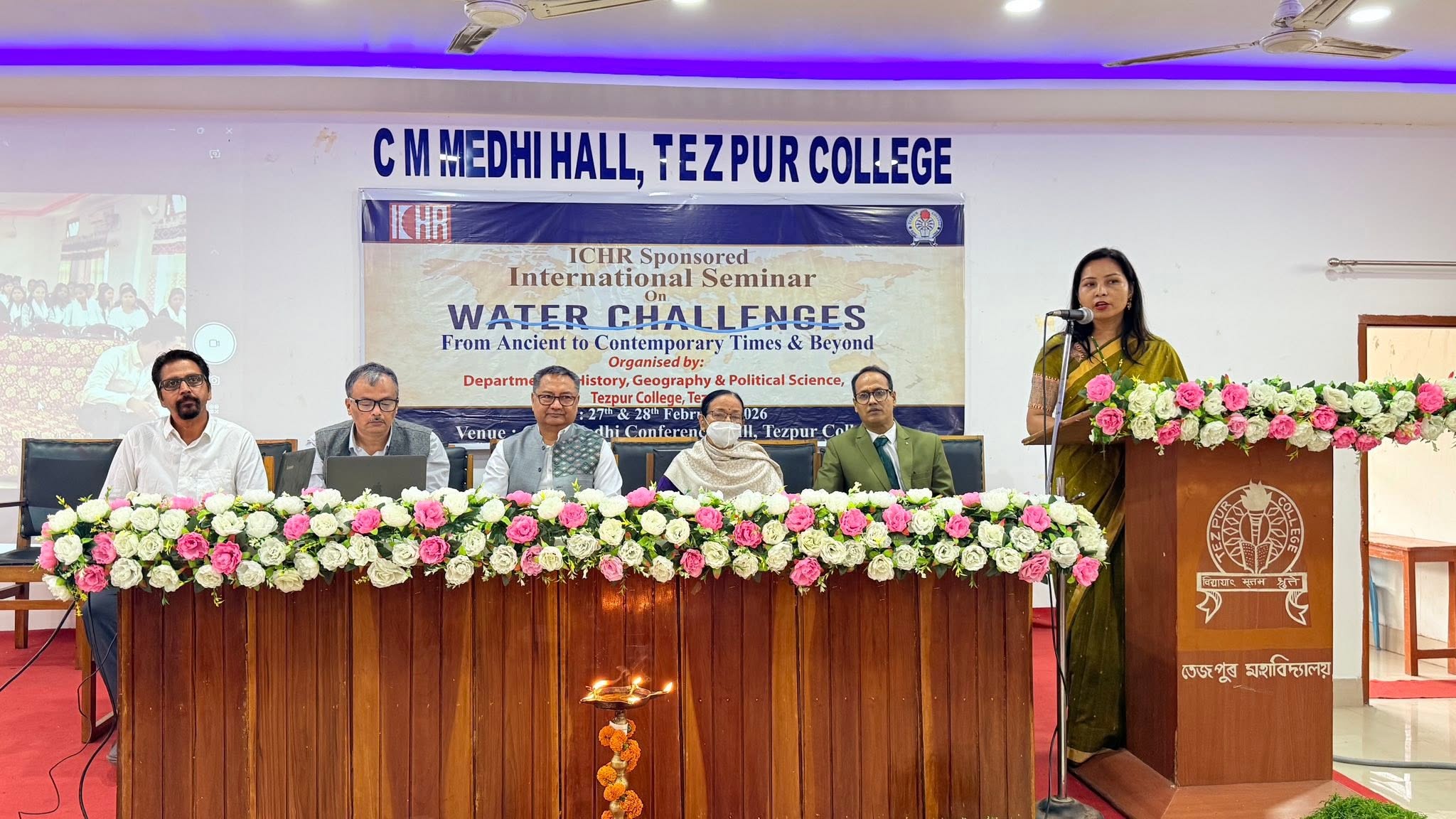
The programme commenced with the ceremonial lighting of the lamp by Dr. Swadhinata Mahanta, President of the Governing Body, Tezpur College. The welcome address was delivered by Dr. Manoj Kumar Hazarika, Principal, Tezpur College, who emphasized the growing relevance of water studies in understanding climate change, riverine vulnerabilities, ecological degradation, and sustainable futures.
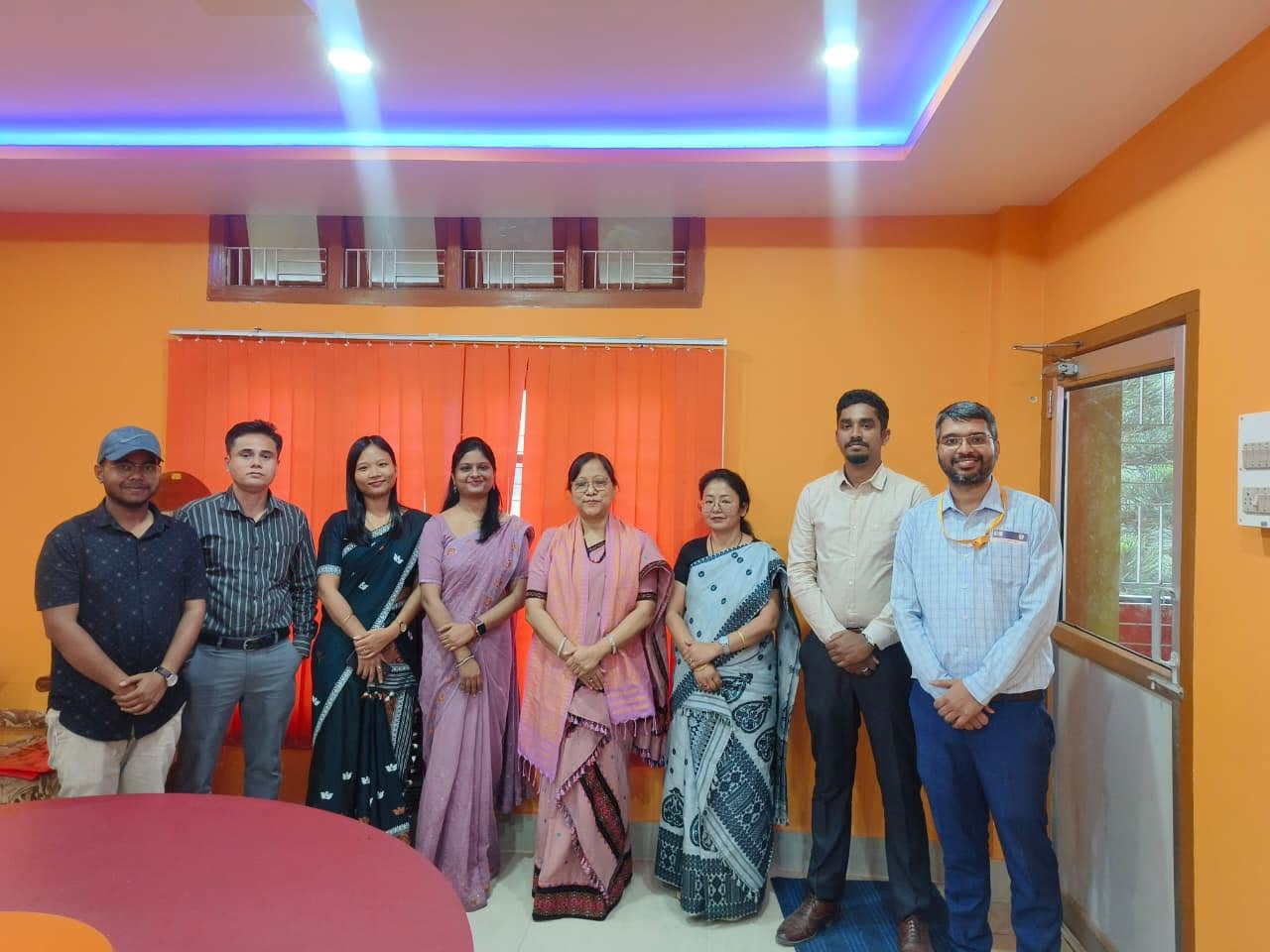
The seminar was convened by Dr. Kuntal Sarma, Assistant Professor, Department of History, Tezpur College, whose concept highlighted the need to examine water as a hydrosocial and civilizational entity shaped by historical processes, governance frameworks, and cultural practices. The Advisory Board comprised of Dr. Rupali Daimari, HoD, Department of History, Jayanta Bordoloi, HoD, Department of Geography, and Dr. Bhanupriya Daimari, HoD, Department of Political Science, whose academic guidance played a crucial role in structuring the seminar.
The seminar was enriched by the presence of distinguished resource persons and scholars including Prof. Arupjyoti Saikia, Faculty member at IIT Guwahati; Dr. Rajib Handique , Academic Registrar, Gauhati University; Dr. Om Katel, former Dean of Research and Industrial Linkages and a Faculty at the Department of Environment and Climate Studies at Royal University of Bhutan; Dr. Apurba Kumar Das, Department of Environmental Science at Tezpur University; Prof. Chandan Kumar Sarma, Department of History, Dibrugarh University; Prof. Barnali Sarma, Department of History, Gauhati University; Dr. Ritu Thaosen, Associate Professor, Department of History, Cotton University; and Dr. Ritu Kumar Mishra, International Civil Servant, United Nations, Malawi, Africa and an alumnus of Tezpur College, reflecting both national and international academic engagement.
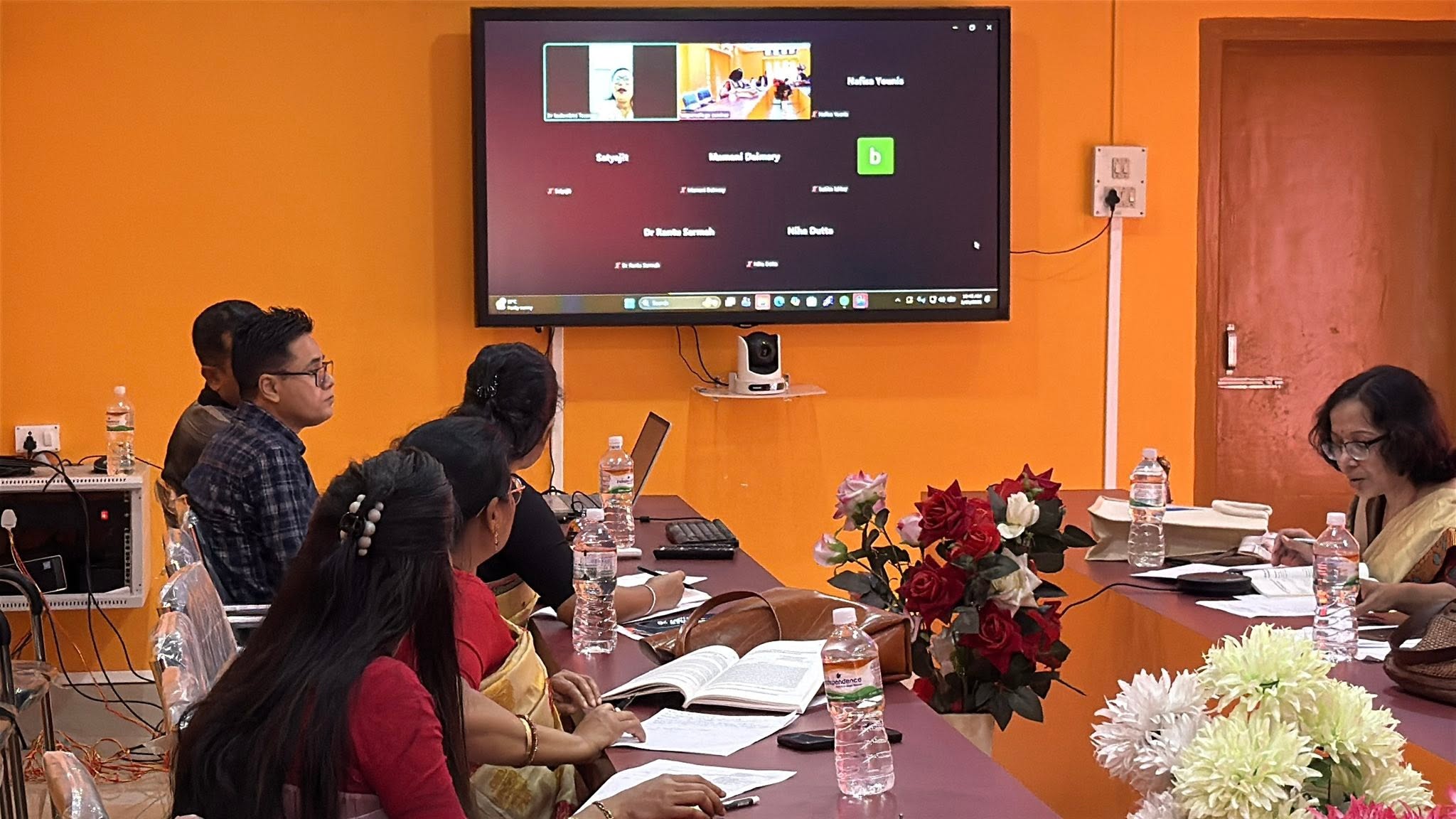
In a total of 7 technical sessions, more than 70 participants presented research papers both in online and offline mode. The technical sessions, featured wide-ranging deliberations on floods and fertility in the Brahmaputra Valley, indigenous riverine cultures, bankline erosion and socio-economic displacement, riverine trade networks in Northeast India, the long-term impact of the 1950 earthquake, civilizational transitions in the Indus Valley, hydro-criticism in literature, inclusive disaster management, and the relationship between water access and rural poverty alleviation.
The discussions emphasized interdisciplinary approaches, the incorporation of oral histories and vernacular sources, indigenous ecological knowledge systems, and primary field-based research. The deliberations consistently underscored the importance of connecting local ecological histories with global environmental discourse.
The seminar successfully created a vibrant academic platform for critical reflection on water as a central axis of civilization, governance, equity, and sustainability.
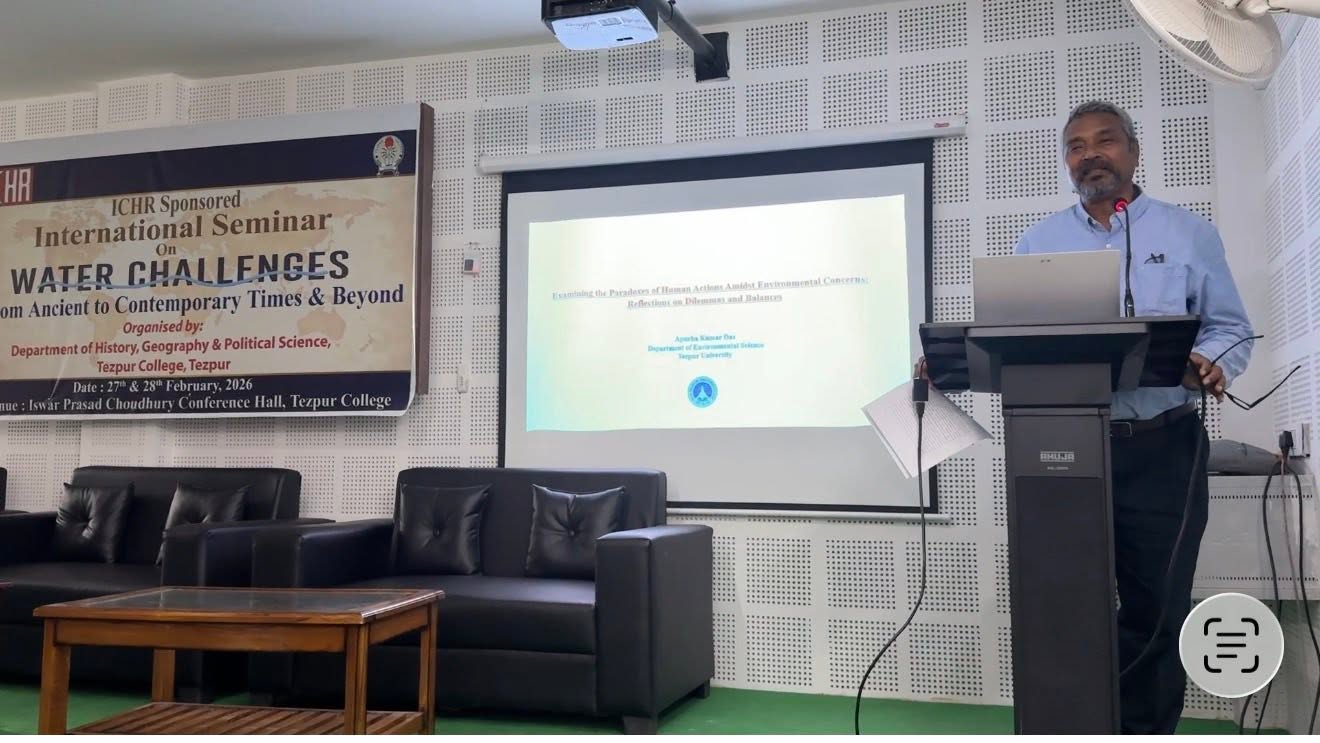
The organizing committee expresses sincere gratitude to ICHR for its support, to the Convenor and Advisory Board for their leadership, and to Dr. Manoj Kumar Hazarika, Principal, Tezpur College, for his constant encouragement and institutional backing. The seminar concluded with the Valedictory Session, during which Dr. Apurba Kumar Das, Tezpur University, delivered the Valedictory Lecture. In his address, he offered a comprehensive reflection on the wide-ranging themes discussed over the two days, emphasizing the importance of interdisciplinary scholarship in understanding water as a historical, ecological, and socio-political entity.